Pet-Sitter Info Checklist: What to Leave Before You Travel
By SuitePet Editorial ·
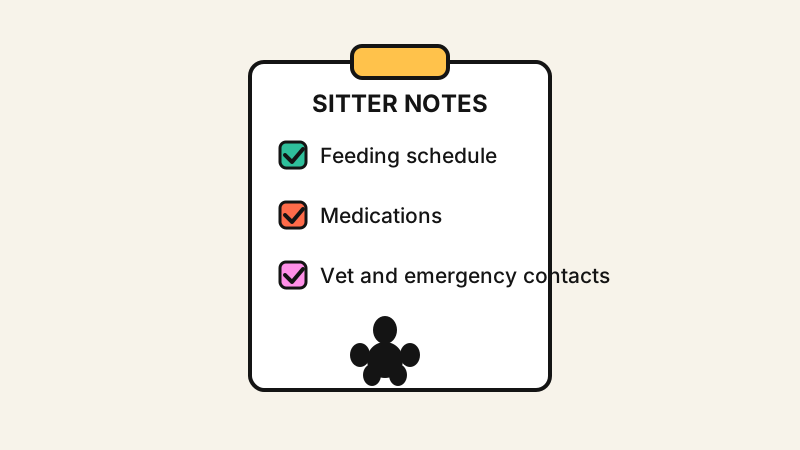
Quick answer: Leave your pet sitter a short, written packet covering four things — daily care (feeding, medications, exercise), household details (access, rules, supplies), contacts (you, a backup, your vet), and an emergency plan. Ten minutes of writing before you leave prevents most mid-trip confusion.
The daily care notes
This is the heart of the checklist:
- Feeding: amounts, times, and whether treats are allowed. Label the food container if what to serve is not obvious.
- Medications: dose, timing, and how your pet takes it best (hidden in a treat, given directly).
- Routine: walk times, play preferences, and where your pet likes to sleep.
- Behavior quirks: fear of storms, leash reactivity, favorite hiding spots — anything that helps the sitter read your pet quickly.
Home and access details
- How to get in (keys, codes, gate remotes) and what to do with the locks when leaving.
- Alarm instructions, if you have one.
- Where supplies live: food, litter, waste bags, cleaning products, spare leashes.
- Trash and recycling pickup days, if the sitter is expected to handle them.
- House rules: furniture, off-limits rooms, and whether you would like plants watered or mail brought in.
Contacts and the emergency plan
- Your phone number and the best times to reach you, plus a second way to contact you.
- At least one local backup contact — a friend, family member, or neighbor — who can decide something on the spot if you are unreachable.
- Your vet’s name, phone number, and address, plus the nearest emergency animal hospital.
- Written authorization for the sitter to seek urgent care, with any spending limit you are comfortable with.
For more on the money side, see our guide to how much a pet sitter costs in Houston. If you are still choosing someone, how to find a trustworthy pet sitter in Houston walks through vetting, and our holiday booking lead-time guide is worth reading before any peak-season trip.
A written note beats a long verbal briefing
Sitters rotate through many homes. A printed sheet or a single note left on the counter is easier to check at each visit than recalling a conversation from the meet-and-greet. Keep it short — one page is enough — and walk the sitter through it once so they can ask questions.
Heading out of town? Tell us your ZIP code, pets, and dates through the homepage inquiry form and we’ll work to match you with a local sitter.
FAQ
What information should I leave my pet sitter?
Leave feeding amounts and schedule, medication instructions, daily routine, house rules and access details, your vet's contact information, and at least one backup emergency contact. A short written note or printed sheet works better than a long verbal briefing.
How do I prepare my home for a pet sitter?
Stock enough food, treats, litter, and supplies to last the whole trip plus a buffer, label everything clearly, secure anything your pet should not reach, and write down access instructions such as keys, alarm codes, and trash pickup day.
Should I leave my pet's medical details for the sitter?
You do not need to hand over full records, but your sitter should know your vet's name, phone number, and address, any current medications with doses and timing, and relevant conditions or behavior quirks such as anxiety or arthritis.
What happens if there is an emergency while I am away?
Agree on the plan before you leave: your sitter should know how to reach you, who your backup contact is, which vet to use, and any spending limit you authorize for urgent care. Putting it in writing prevents delays in a stressful moment.